Acute Diarrhoea


Overview of Acute Diarrhoea
Acute diarrhoea is a condition when the stools are watery, slimy, non-solid or also by the frequent need to defecate. Acute means the condition comes so suddenly, usually after a bad food. Ongoing diarrhoea needs prompt treatment as it can cause severe dehydration if not treated.
Signs and Symptoms of Acute Diarrhoea
Abnormal stools usually watery, slimy or even bloody, Abdominal pain, Thirst, Dizziness, Vomiting, Fever
Common Causes of Acute Diarrhoea
Bacteria such as Salmonella, Shigella, Yersinia. Parasit such as Entamoeba histolytica, Giardia. Virus such as Norovirus
Risk Factors of Acute Diarrhoea
Travel history to a developing country or camping, Food and drink history such as consumption of easily expired food for example milk, or uncooked food such as raw meat, Fecal oral transmission from unhygienic hand, Pregnancy, Children, Immunocompromised patients such as patients with HIV-AIDS
Investigation Techniques for Acute Diarrhoea
Physical examinations such as vital signs, abdominal examination. Diagnostic tests. Usually, acute diarrhoea are self limited which means it will resolve itself without treatment. However, certain conditions and certain patients for example severly dehydrated patients may require diagnostic lab tests. Stool sample, Stool culture, Endoscopy
Treatment and Prevention of Acute Diarrhoea
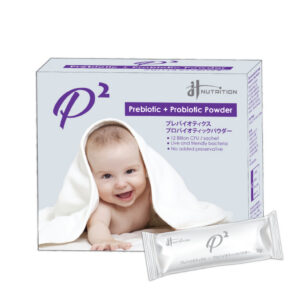
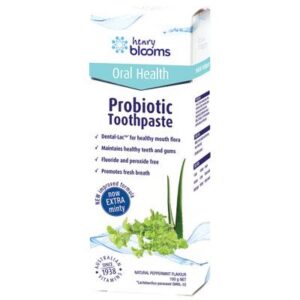
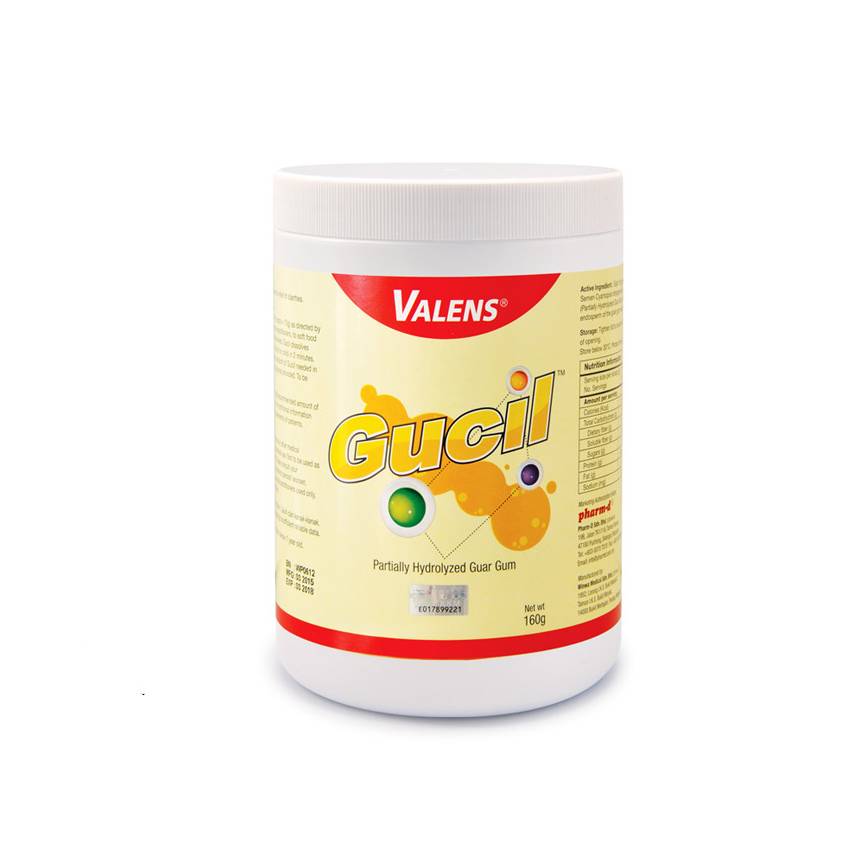
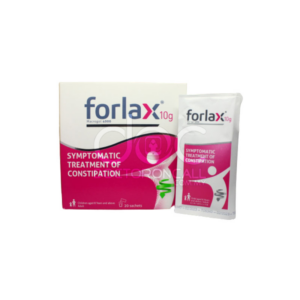
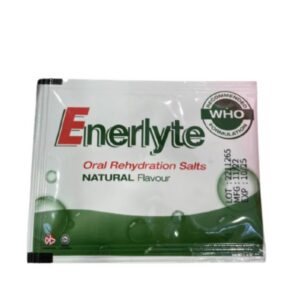
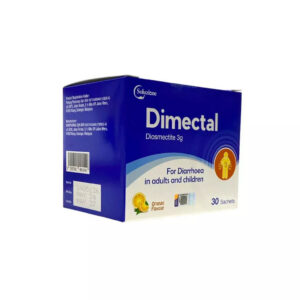
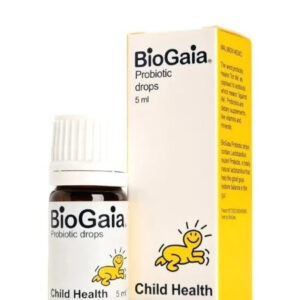
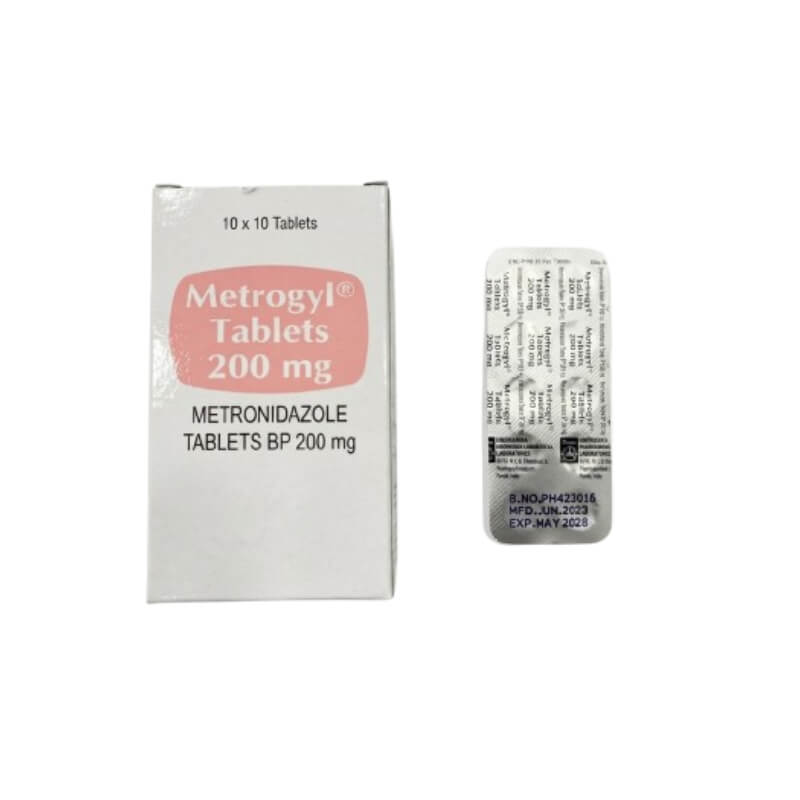
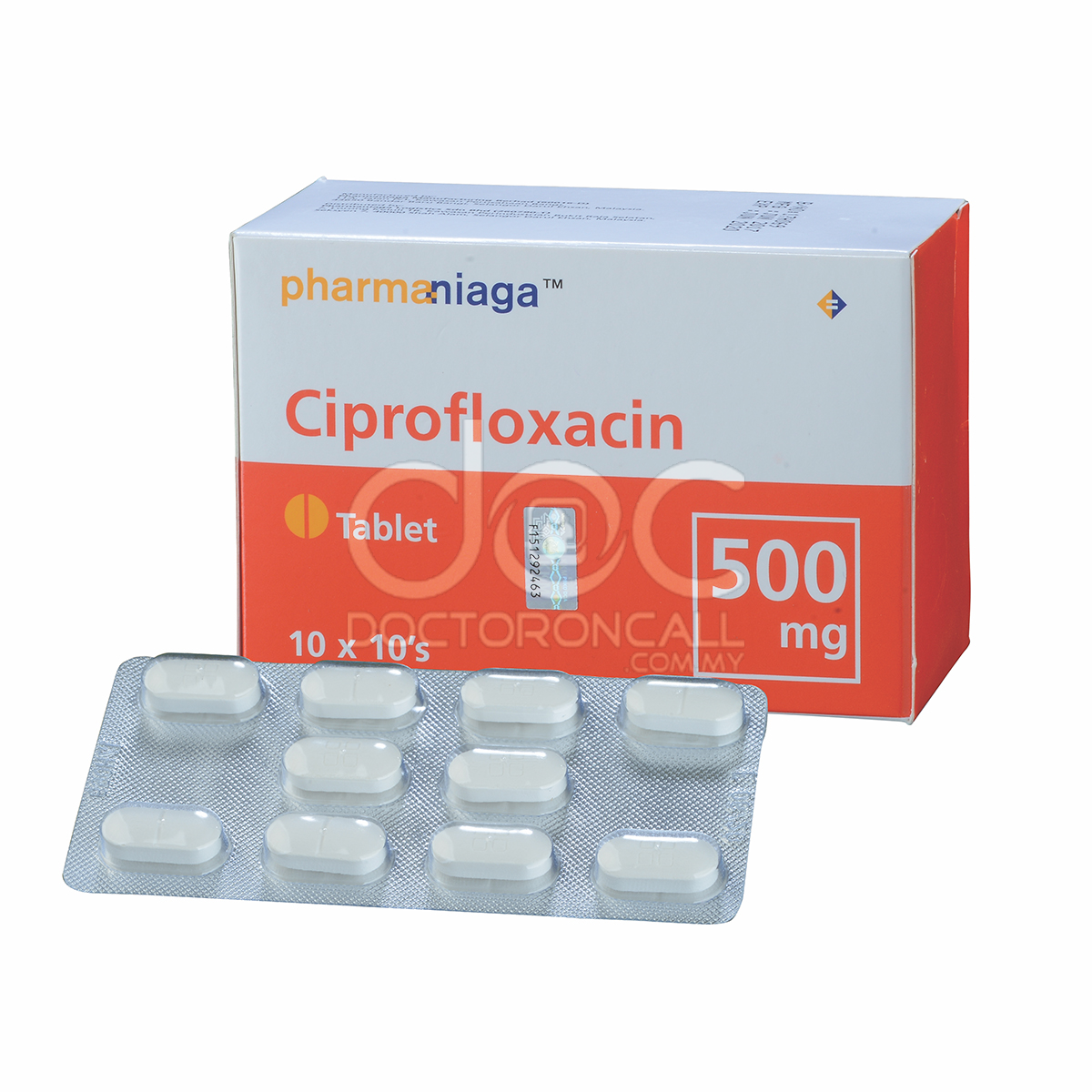
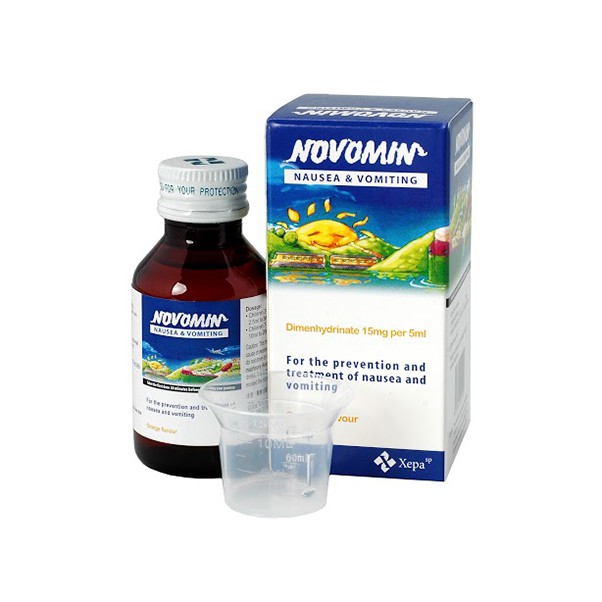
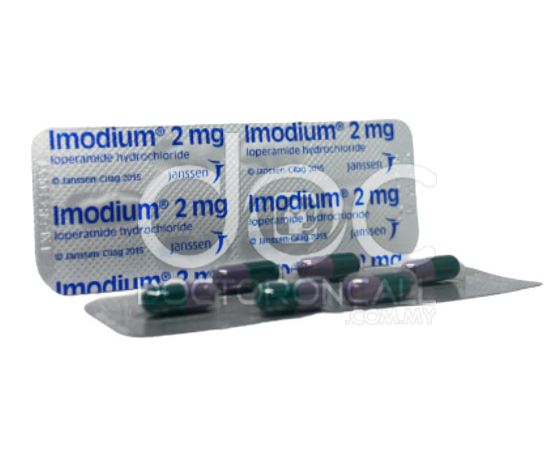
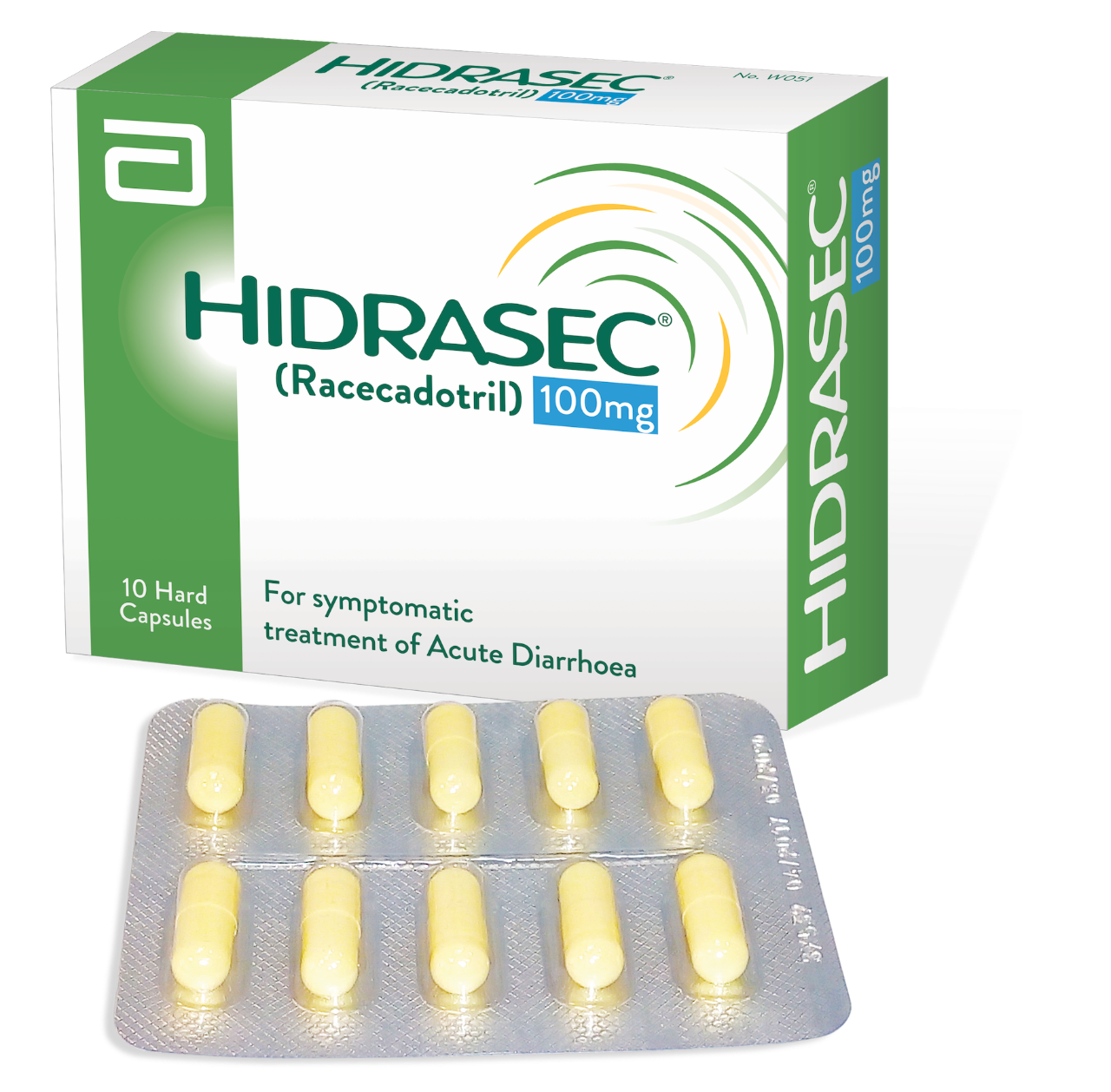
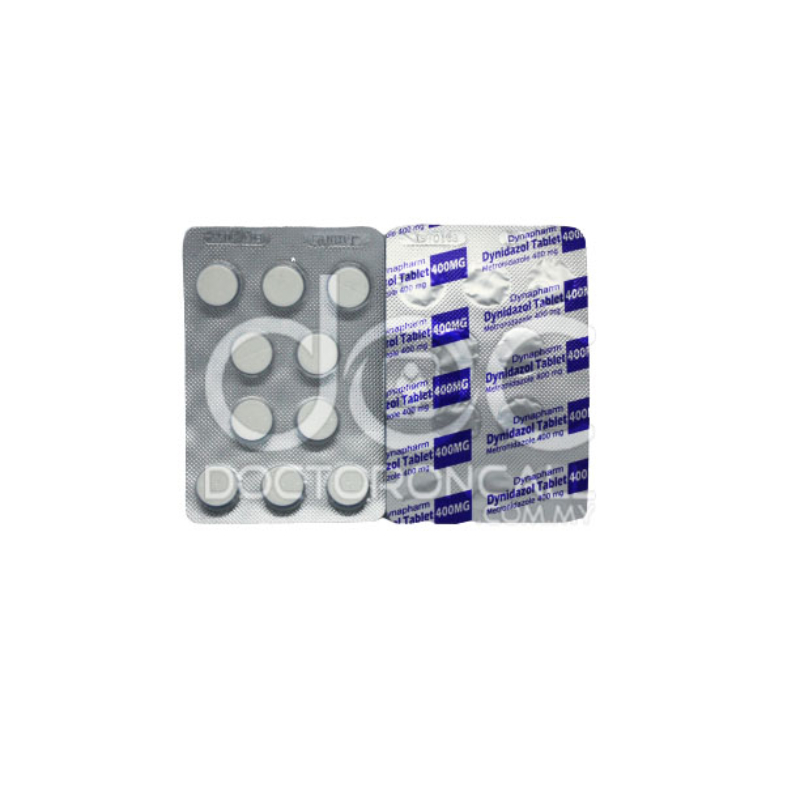
Treatment: Antidiarrheal medication, Rehydration, Antibiotic, Probiotik, Zinc (in pediatric patients) Prevention: Practice regular hand washing, Good hygiene includes personal, and food hygiene, Apply food safety in the process of handling, preparing or storing any food, Maintain access to healthy and clean drinking water