Chronic Migraine


Overview of Chronic Migraine
A chronic migraine is a distinct and relatively recently defined subtype of headache. The International Headache Society interpret chronic migraine as more than fifteen days with headache per month for three months of which more than eight are migrainous, without medication overuse.
Signs and Symptoms of Chronic Migraine
The pain usually on one side of your head, but often on both sides, Pain that throbs or pulses, Sensitivity to light, sound, and sometimes smell and touch, Nausea and vomiting, Mood changes, from depression to euphoria, Neck stiffness, Visual phenomena, such as seeing various shapes, bright spots or flashes of light, Vision loss, Pins and needles sensations in an arm or leg, Weakness or numbness in the face or one side of the body, Difficulty speaking, Hearing noises or music, Uncontrollable jerking or other movements
Common Causes of Chronic Migraine
Depression, Anxiety, Other pain disorders, Obesity, Asthma, Snoring, Stressful life events, Head/Neck injury, Caffeine, Acute medication overuse, Persistent, Frequent nausea
Risk Factors of Chronic Migraine
Depression, Anxiety, Other pain disorders, Obesity, Asthma, Snoring, Stressful life events, Head/Neck injury, Caffeine, Acute medication overuse, Persistent, Frequent nausea
Investigation Techniques for Chronic Migraine
Medical history, Symptoms, Physical and neurological examination, MRI: MRI scans help doctors diagnose tumors, strokes, bleeding in the brain, infections, and other brain and nervous system (neurological) conditions, CT scan
Treatment and Prevention of Chronic Migraine
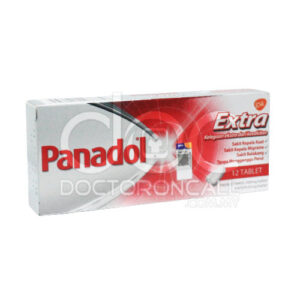
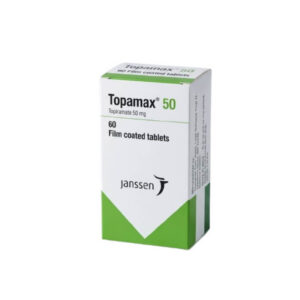
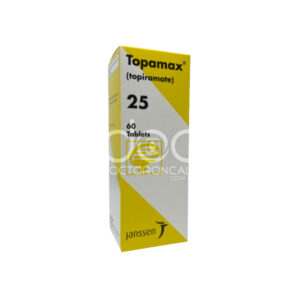
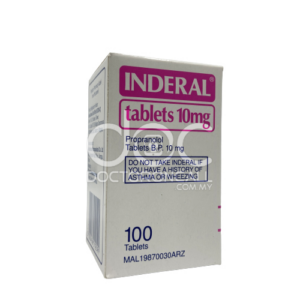
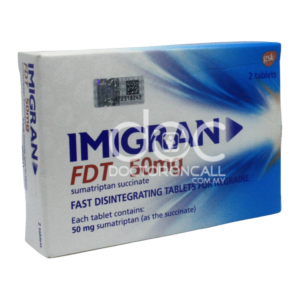
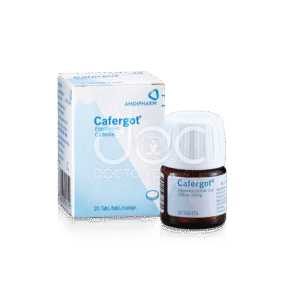
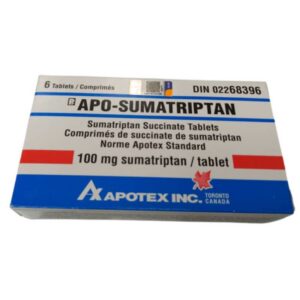
Pain relievers (aspirin or ibuprofen), Migraine relief medications that combine caffeine, aspirin, and acetaminophen (Excedrin Migraine), Triptans: These are prescription drugs such as sumatriptan (Imitrex, Tosymra) and rizatriptan (Maxalt), Dihydroergotamines (D.H.E. 45, Migranal), Opioid medications, Anti-nausea drugs (chlorpromazine, metoclopramide or prochlorperazine), Blood pressure-lowering medications, Antidepressants, Anti-seizure drugs, Botox injections (onabotulinumtoxinA), Calcitonin gene-related peptide (CGRP) monoclonal antibodies such as Erenumab-aooe (Aimovig)/ fremanezumab-vfrm (Ajovy) and galcanezumab-gnlm (Emgality)