Dry Skin
Medical Review


Overview of Dry Skin
Dry skin is rough or scaly skin which is dry to touch and less elastic than normal skin. It is a common problem but usually is not serious. However, it can be disfiguring and uncomfortable.
Signs and Symptoms of Dry Skin
Rough skin which feels like sandpaper, Flaking or peeling of the skin, Gray or discolouration of skin, Redness, Itchy skin, Feeling of skin tightness especially after showers, Fine lines and cracks, Deep cracks which may cause bleeding
Common Causes of Dry Skin
Weather especially winter, Heat such as central heating and fireplaces, Hot showers and baths, Frequent swimming in heavily chlorinated swimming pools, Harsh soaps and shampoos which strips moisture off the skin, Skin conditions such as eczema and psoriasis
Risk Factors of Dry Skin
Increasing age especially after the age of 40, Living in cold and dry climates, Occupation that requires prolonged contact with water such as nurses and hairstylists, Frequent swimming in heavily chlorinated swimming pools
Treatment and Prevention of Dry Skin
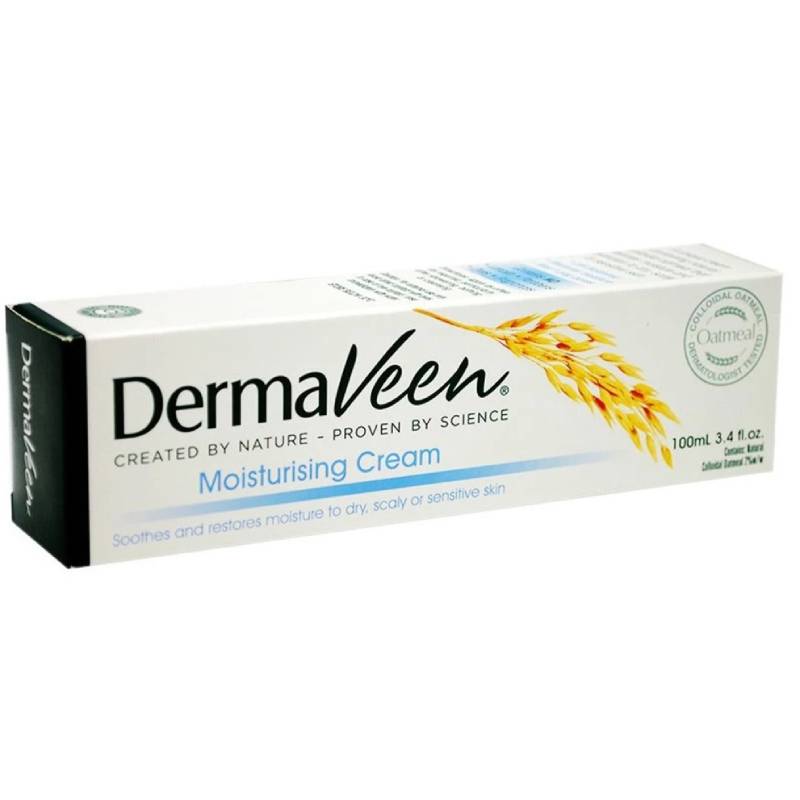
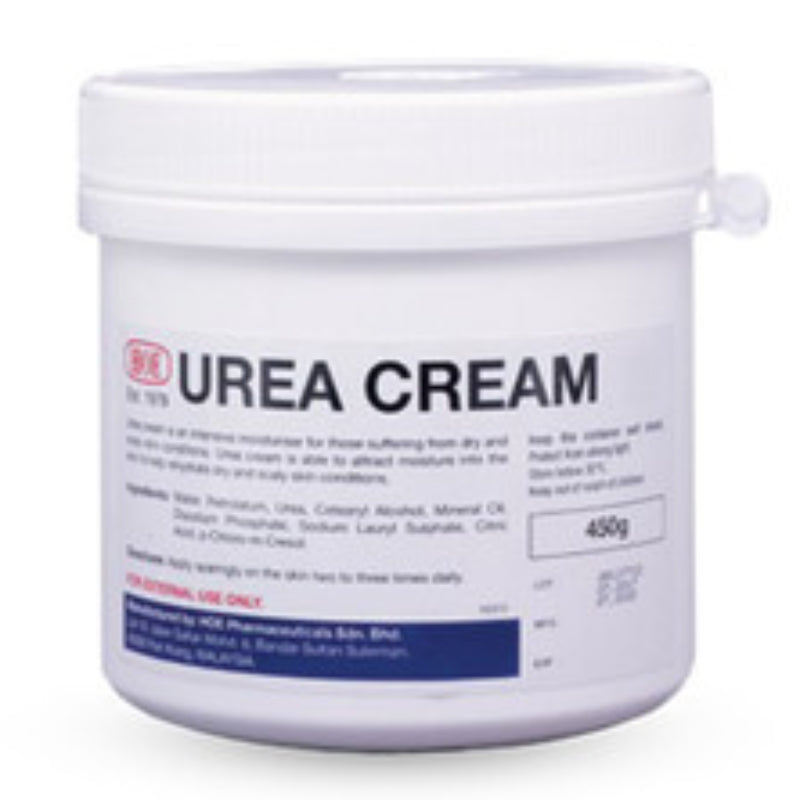
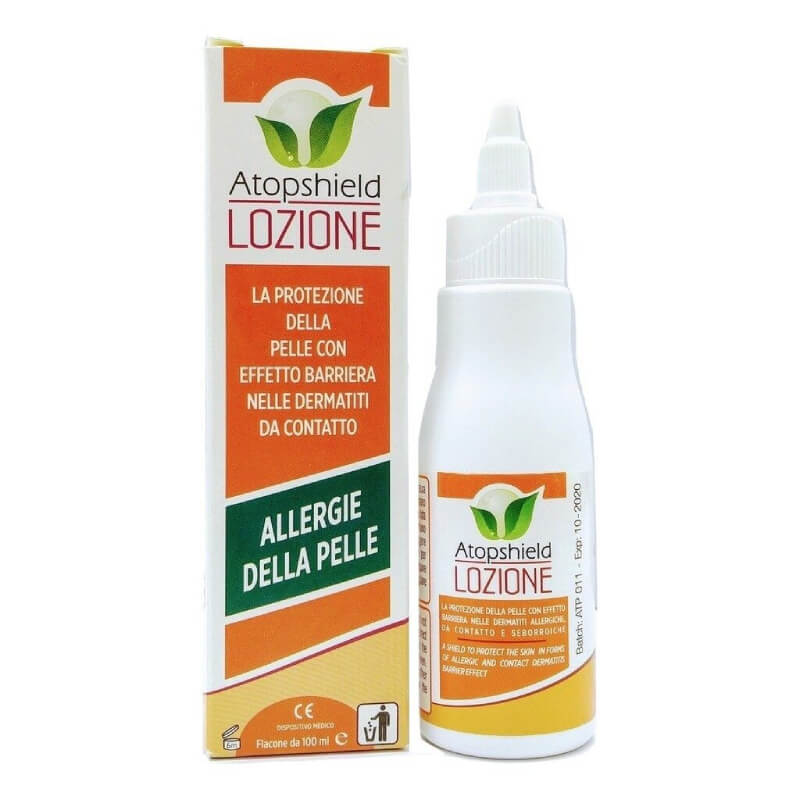
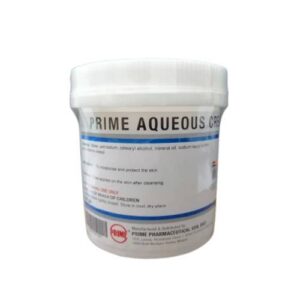
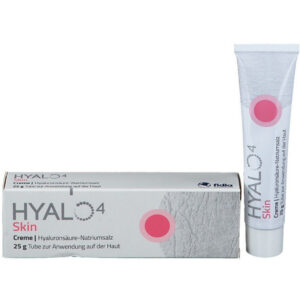
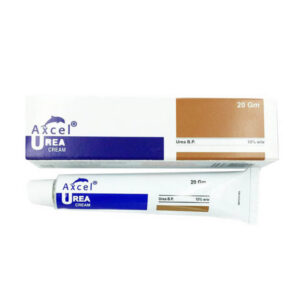
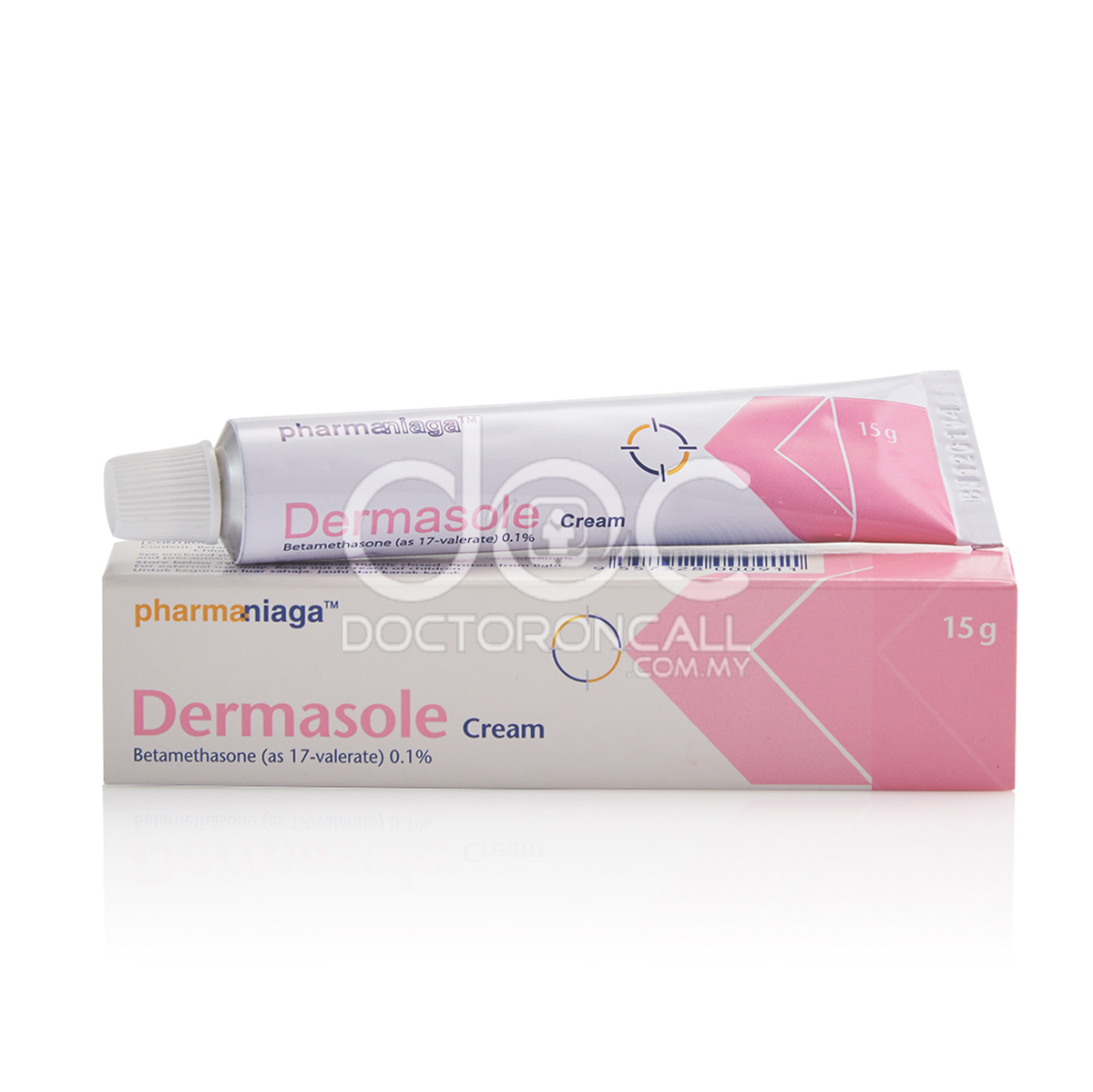
Avoiding harsh soaps, shampoos, and detergents, Use moisturisers, Avoid hot showers and baths, Do not rub hard with a towel after showers, A topical cream containing lactic acid and urea, Hydrocortisone-containing lotions if the skin is very itchy, Wet dressings if the skin cracks