Functional Dyspepsia


Overview of Functional Dyspepsia
Functional dyspepsia is a condition characterized by stomach upset, stomach pain, early or prolonged fullness. It is described functional because structurally there is no defect with the upper digestive region.
Signs and Symptoms of Functional Dyspepsia
Burning or pain in your upper digestive tract, Bloating, Feeling full after eating just a small amount of food, Feeling full after eating a meal, Nausea, Vomiting, Burping, Sour taste in the mouth, Weight loss, Psychological distress related to the condition
Common Causes of Functional Dyspepsia
Occupational factor, Genetic Factor
Risk Factors of Functional Dyspepsia
Allergens, Intestinal microbiome changes, Infection, Bacterium Helicobacter pylori, Above-normal acid secretion, Inflammation in the upper digestive tract, Disruption in the stomach’s ability to digest food, Diet, Lifestyle, Stress, Anxiety/depression, Side effects of medication like nonsteroidal anti-inflammatory drugs
Investigation Techniques for Functional Dyspepsia
Endoscopy, Esophageal pH monitoring, Barium X-ray, Blood tests, Bacterium tests either through blood/stool or breath
Treatment and Prevention of Functional Dyspepsia
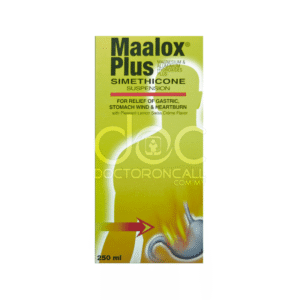
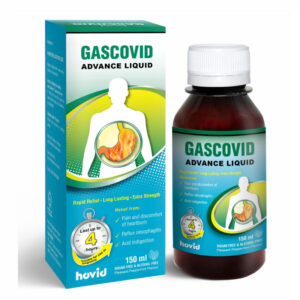
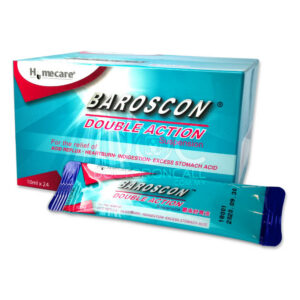
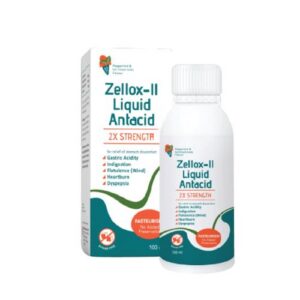
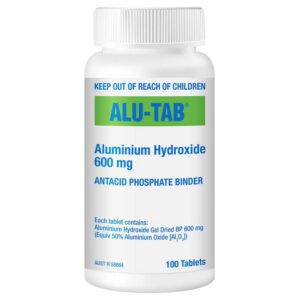
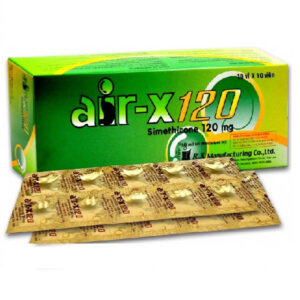
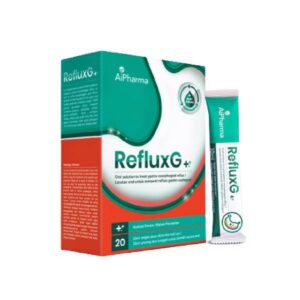
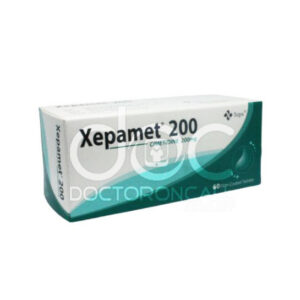
Acid-neutralizing medications called H2 receptor blockers, Acid-blocking medications called proton pump inhibitors, Gas-relieving medications that include the ingredient simethicone, Antidepressants such as amitriptyline, Esophagus-strengthening medications called prokinetic agents, Stomach-emptying medications such as metoclopramide, Antibiotics if you have the Helicobacter pylori bacteria in your body, Psychological interventions, Diet changes, Lifestyle adjustments